Applications guide the specification

Polartec Fabrics for Distinct Outdoor Layering Systems

Climate, activity intensity, garment position, wind exposure, moisture load and care determine which textile questions matter. Application guidance keeps those conditions visible while a team compares warmth, air flow, drying, stretch and durability.

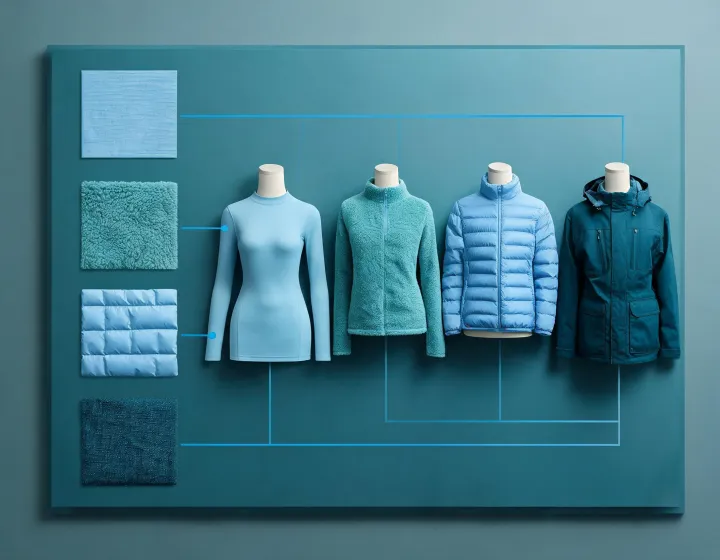
Outdoor layering applications material board
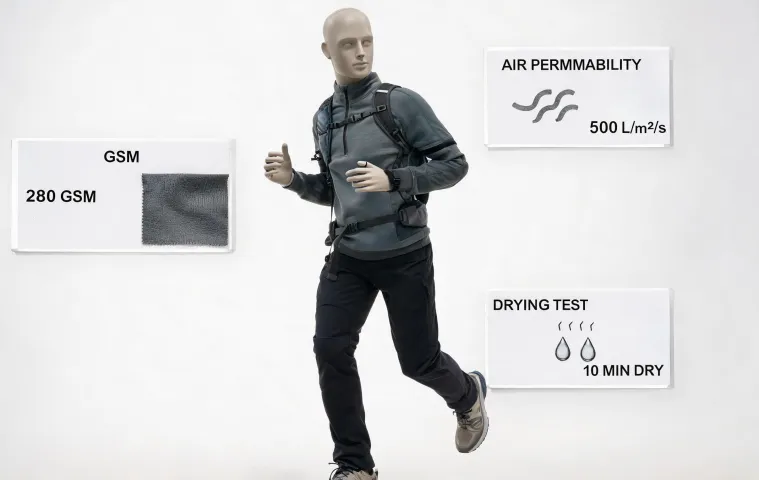
Trekking midlayer textile in movement trial

Trekking and training

Continuous movement creates moisture and heat while pack straps introduce local abrasion. The review balances warmth, air exchange, drying, stretch direction, seam placement and post-care recovery rather than maximizing one headline value.

Useful brief fields
Climate, work rate, layer position, pack contact, care cycle and test direction.
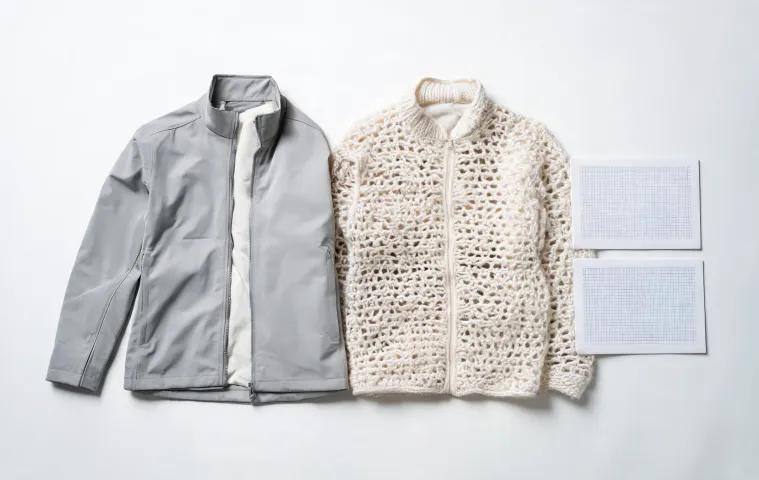
Active outdoor insulation system

Stop-and-go activity

Climbing, ski touring and mixed-output tasks alternate exertion with pauses. Active insulation must be reviewed with the shell, ventilation design, wind condition and moisture state because the garment system controls the result.

Useful brief fields
Output pattern, shell pairing, wind exposure, insulation zone, humidity and recovery period.
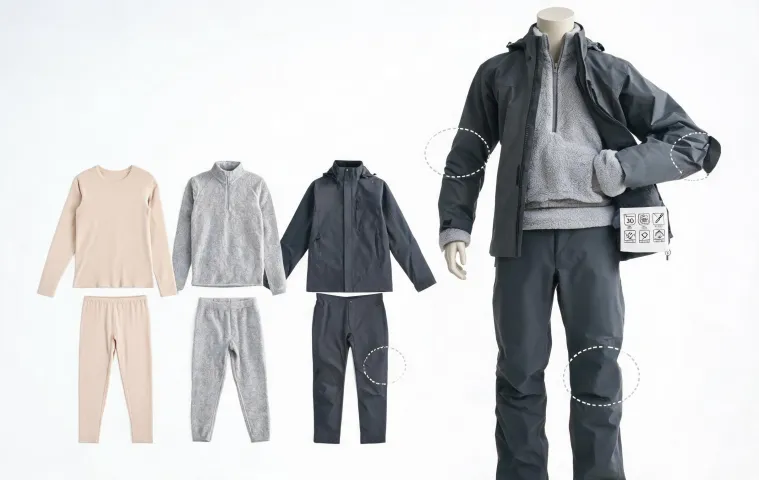
Cold-weather work fleece and shell layers

Cold-weather work

Long shifts combine static periods, movement, contamination and repeated laundering. Fiber, surface, pilling, drying, dimensional stability and care durability require job-specific review; weather comfort does not establish flame or chemical protection.

Useful brief fields
Shift profile, temperature, contamination, wash route, PPE interfaces and replacement cycle.
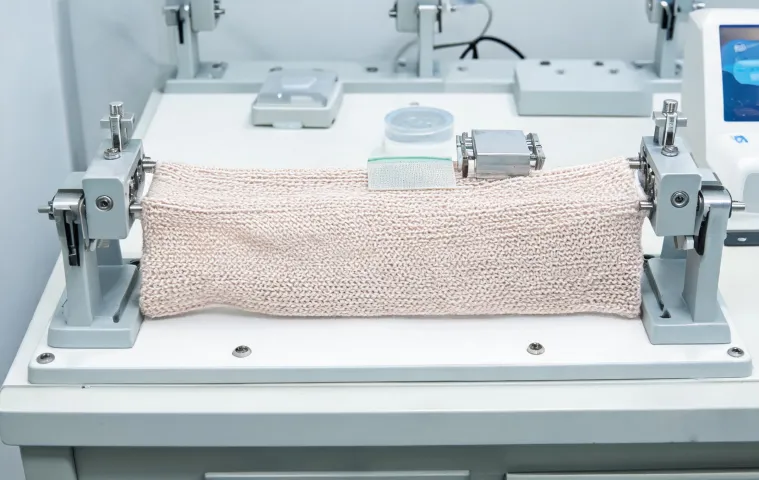
Base-layer knit evaluated for moisture and recovery

Next-to-skin systems

Skin-side texture, liquid movement, drying, odor-control finish, stretch recovery and seam geometry interact. A point test cannot substitute for repeated wear and care trials on the actual garment construction.

Useful brief fields
Activity, skin contact, knit construction, stretch direction, drying method, finish and care.

Selection checklist

Resolve the trade-offs before ranking samples

Performance textiles balance warmth, moisture movement, air permeability, mass, durability and care. No construction is inherently preferable without the intended layer and exposure.

Warmth or air exchange?

Loft and low air movement can support insulation, while higher permeability can help during exertion. Compare both in the intended shell and activity system.

Low mass or robust surface?

Reducing GSM can lower bulk but may change opacity, snagging, abrasion, seam handling and compression response.

Initial drying or after-care behavior?

Finish, construction and laundering can change moisture movement. Reports should state pre-treatment, environment, repetitions and specimen identity.

Fabric result or garment decision?

Panel mapping, seams, fit, ventilation and adjacent layers alter system performance. Fabric evidence screens candidates; garment trials validate use.

Important limits: color, finish, GSM, backing, brushing and lot can alter results. Abrasion cycles do not predict universal service life, and weather comfort does not qualify unrelated hazards.

Describe the activity, climate and garment layer first

Include work rate, exposure duration, shell pairing, care route, target methods, sample quantity and destination. The response can then separate confirmed construction data from trial assumptions and open evidence.