Three selection routes

Choose the fabric role before the product name

Each route identifies the first measurable questions. Final values remain tied to the selected construction, specimen, care state and method.

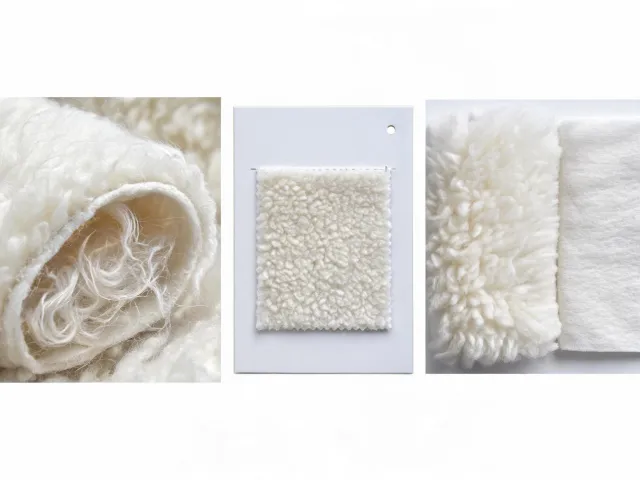
Fleece insulation textile with loft and GSM card

Fleece insulation

Compare loft, mass, air permeability, drying, pilling, compression response and the intended midlayer use.

Active insulation fabric with open structure

Active insulation

Align warmth, air exchange, moisture movement, shell pairing and work rate for stop-and-go activity.

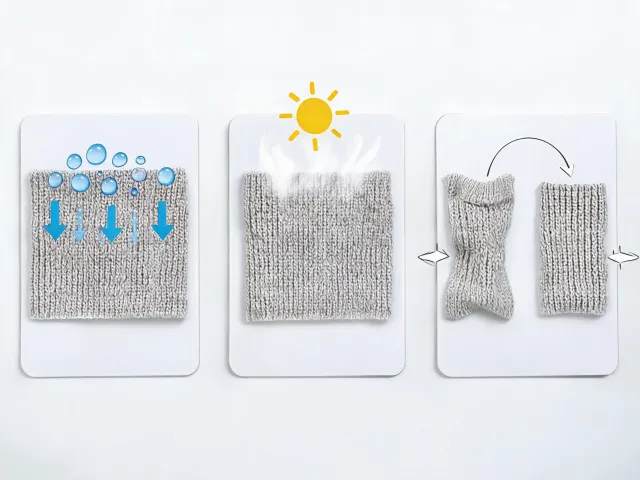
Base-layer fabric with drying and stretch trial

Base layers

Review skin-side structure, moisture movement, drying, stretch direction, recovery, seam placement and care.

Selection questions

Clarify the system before comparing samples

Does higher GSM always mean warmer?

No. Loft, fiber, knit structure, air movement, moisture state, compression and the test method also affect thermal behavior.

Can one air-permeability result describe every color?

Not automatically. Construction, finishing and lot changes can alter results; the specimen and method scope must remain visible.

Is moisture transfer the same as fast drying?

No. Liquid transport and drying are separate behaviors with different specimens, environments and reporting units.

When should a garment trial follow fabric testing?

When seams, panel mapping, shell pairing, fit, ventilation or care can change the system response expected in use.

Fabric review

Bring the activity, layer and climate into the brief

Share the garment position, work rate, weather exposure, construction, GSM range, air or moisture method, care state, quantity and destination.