Polartec material library and collaborative studio

A culture of useful questions

About Polartec and the work behind a clear fabric decision

Our role is to make the conversation between design intent, textile construction and procurement evidence easier to follow.

Mission

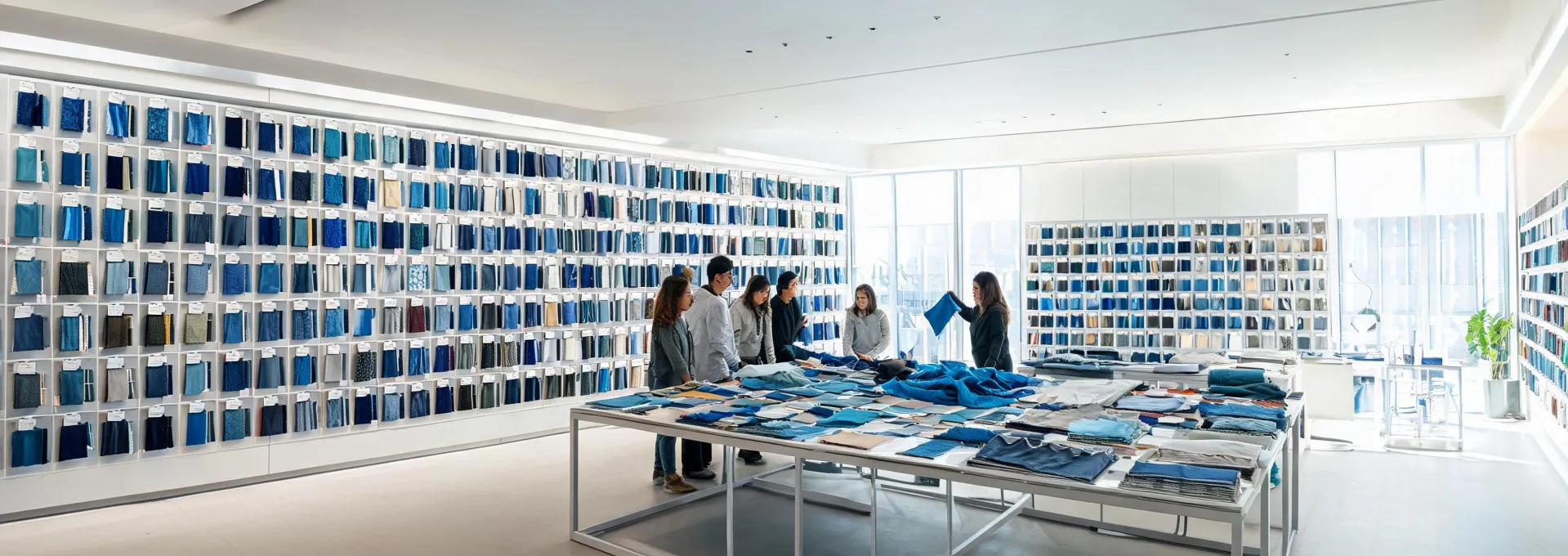
Keep the brief connected to the material

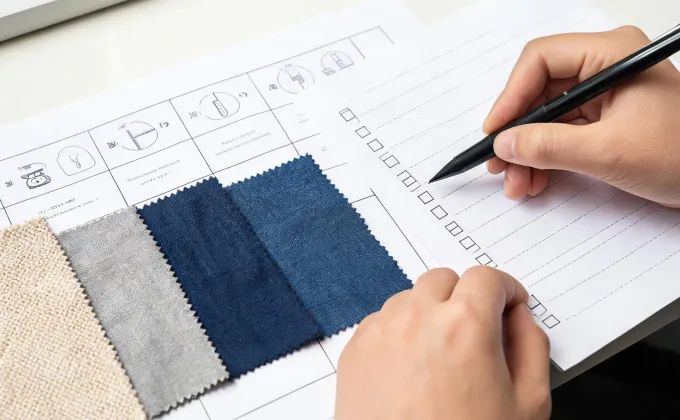
Polartec supports outdoor apparel developers by organizing decisions around fiber content, weave construction, GSM, usable width, dye lot, finishing route and applicable test methods. We make the gaps visible early, when a team can still change the brief without disrupting production.

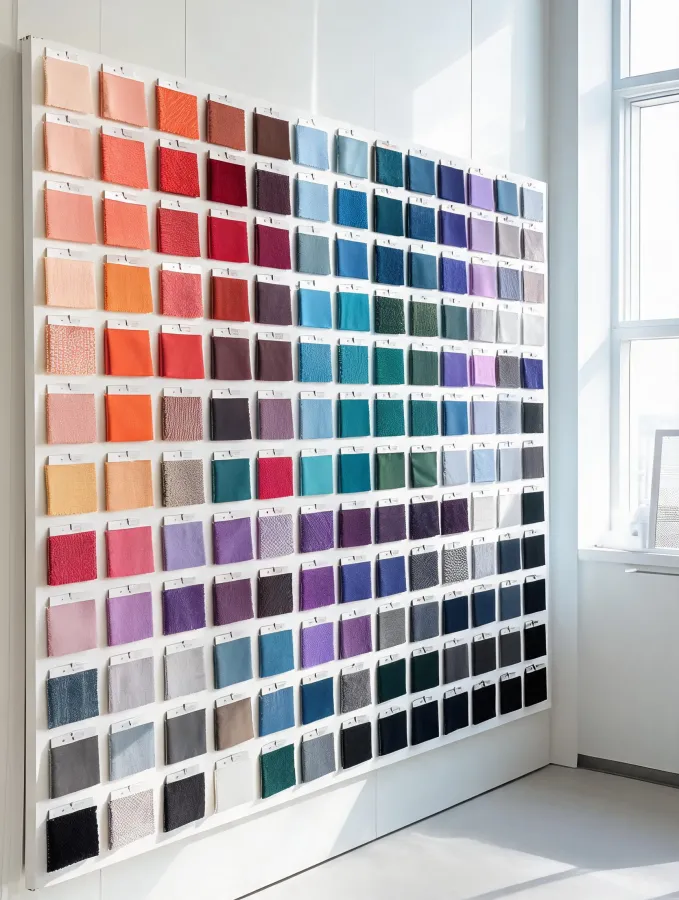
Advice is framed as a selection path, not a substitute for physical sampling. The feel of a fabric, the way a pile reads under directional light and the behavior of a backed construction need review on the actual sample intended for approval.
Working vision

Evidence that travels with the decision

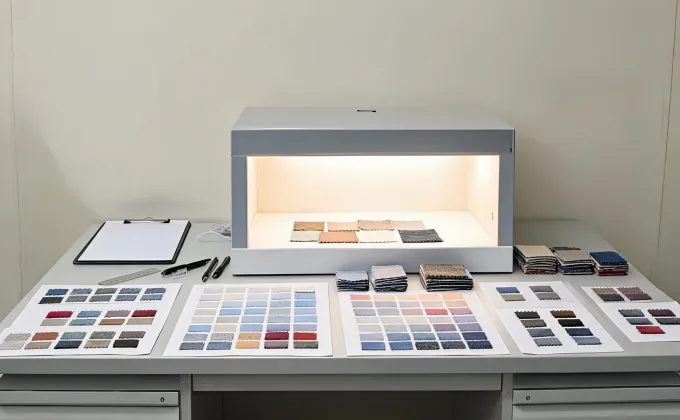
A specification becomes more useful when the design team, purchasing team and supplier are referring to the same construction and approval stage. We aim to keep shade references, inspection notes and available test documentation connected to the order rather than scattered across separate conversations.

Claims remain bounded by the named specimen, method, color and finishing route. Where certification or regulatory documents are requested, the applicable entity, product scope and validity need confirmation before those documents are used in a project submittal.

How the team works

Four habits shape the material conversation

A

Ask before assuming

End use, cleaning, quantity and delivery market change the relevant specification.

B

Separate stages

A lab dip confirms a different question from a handloom or production lot.

C

Name the method

A performance figure is paired with its test context and material scope.

D

Record change points

Backing, finish, shade and construction changes are noted before release.

Work with the team

Bring a project question to Polartec

For buyers, specifiers and product teams, the most useful introduction is a real application with clear constraints. Tell us where the textile will be used and which decisions are still open.